


 EVENTS, NEWS

Close the Loop – Reduce Waste from Your Wardrobe and Kitchen
Jun 01, 2026
Copyright:
Every individual can help reduce waste from the textile industry by repairing existing clothing or exchanging garments they no longer wear. With small, thoughtful tricks, circular meals, and food waste management, every kitchen can become – Zero Waste.
These are just some of the topics discussed at the event and workshop “Close the Loop: Circular Economy – See, Try, Share” organised by the projects EU4Green and EU for Circular Economy at the European House in Belgrade.
Through four engaging rounds – wear, eat, use and buy visitors had the opportunity to see first-hand how circular models work in real life.
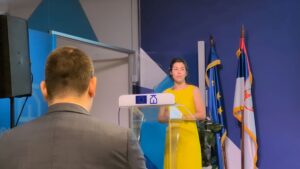
“The European Union strongly supports Serbia in the field of environmental protection through various projects. We consider such events to be extremely important, as they bring small steps and ways in which every person can influence their surroundings closer to citizens”, said Rafael Demolijer from the Delegation of the European Union to Serbia. TBC
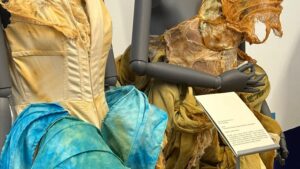
The workshop titled Circular Fashion Lab was led by Slađana Milojević, a sustainable fashion expert demonstrating creative upcycling models. “Every piece of clothing can have an extended life and a second use. Sustainable fashion does not mean giving up style, but rather a different way of thinking about the clothes we already own – through creativity, personal expression and a more responsible relationship with resources”, she said.
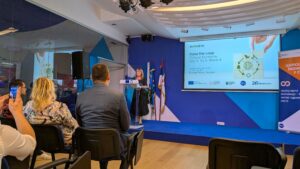
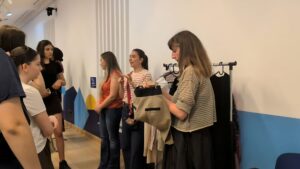
Visitors to the Repair Corner (Repair Corner) learned practical clothing repair techniques with the help of designer Magdalena Klašnja. „Clothing and footwear were once items that were kept, repaired and passed down through generations. Through small repairs, refreshing and new uses, I want to explore how we can relearn to love the things we own and thereby change our attitude towards consumption and sustainability”, says Klašnja.
The Urbani buvljak team held a workshop on second-hand clothing and the culture of clothing exchange. „We are trying to change the way we look at the things we own – not just clothes, but also our relationship to consumption, trends and values. It is important to us that people learn to recognise the value of things they already have, instead of always looking for something new”, said Una Petrović from the Urbani buvljak organisation, adding that their organisation is building a community that makes a big difference through small steps.
The kitchen is the part of the home where we often generate waste. How to reduce it, reuse it, what are the techniques and tricks for reducing kitchen waste, what are circular snacks and why they matter – these were the topics of the fourth workshop, led by Branka Ilakovac, an expert in food waste management.
„Small changes in everyday habits can significantly reduce the amount of waste generated in the household. Through practical tricks and creative solutions, kitchen leftovers can gain new value – from circular snacks to the reuse of ingredients that most often end up as waste”, said Branka Ilakovac.
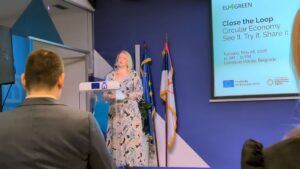
The event with workshops was organised within the framework of the EU4Green and EU for Circular Economy in Serbia projects, initiatives supported by the European Union with the aim of promoting sustainable development, waste prevention, efficient use of resources and the principles of the circular economy in Serbia and the Western Balkans countries. Through collaboration with institutions, companies, local governments and citizens, the projects contribute to raising public awareness and encourage the implementation of practical everyday solutions for a more sustainable and resource-efficient future.